1. Basic Scientific Research and Nanoarchitectural Style of Aerogel Coatings
1.1 The Beginning and Meaning of Aerogel-Based Coatings
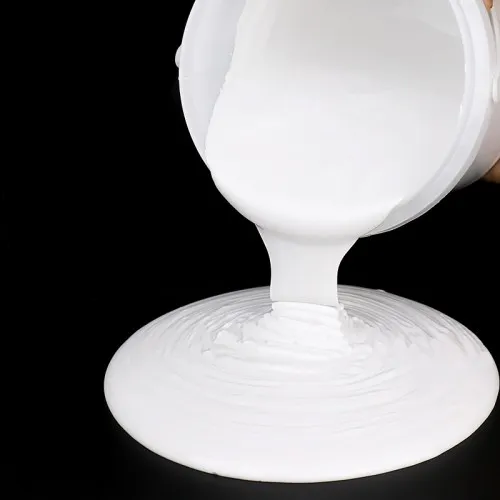
(Aerogel Coatings)

Aerogel finishes stand for a transformative course of practical products originated from the wider household of aerogels– ultra-porous, low-density solids renowned for their phenomenal thermal insulation, high area, and nanoscale structural pecking order.
Unlike standard monolithic aerogels, which are often delicate and hard to incorporate right into complex geometries, aerogel finishes are used as thin movies or surface area layers on substratums such as steels, polymers, fabrics, or building and construction products.
These finishings maintain the core properties of mass aerogels– especially their nanoscale porosity and reduced thermal conductivity– while offering boosted mechanical toughness, flexibility, and convenience of application with strategies like spraying, dip-coating, or roll-to-roll processing.
The primary component of a lot of aerogel coatings is silica (SiO ₂), although hybrid systems incorporating polymers, carbon, or ceramic forerunners are significantly used to customize performance.
The specifying function of aerogel coverings is their nanostructured network, typically made up of interconnected nanoparticles creating pores with sizes below 100 nanometers– smaller sized than the mean complimentary course of air molecules.
This building restriction efficiently reduces gaseous transmission and convective heat transfer, making aerogel finishings amongst one of the most reliable thermal insulators understood.
1.2 Synthesis Paths and Drying Out Devices
The construction of aerogel coatings begins with the development of a wet gel network with sol-gel chemistry, where molecular forerunners such as tetraethyl orthosilicate (TEOS) go through hydrolysis and condensation reactions in a fluid tool to develop a three-dimensional silica network.
This process can be fine-tuned to regulate pore dimension, particle morphology, and cross-linking density by adjusting specifications such as pH, water-to-precursor ratio, and catalyst type.
As soon as the gel network is formed within a thin film setup on a substrate, the important challenge depends on removing the pore fluid without breaking down the fragile nanostructure– a trouble traditionally attended to via supercritical drying out.
In supercritical drying, the solvent (usually alcohol or carbon monoxide ₂) is heated and pressurized past its crucial point, eliminating the liquid-vapor user interface and stopping capillary stress-induced shrinkage.
While reliable, this technique is energy-intensive and less suitable for large-scale or in-situ finish applications.
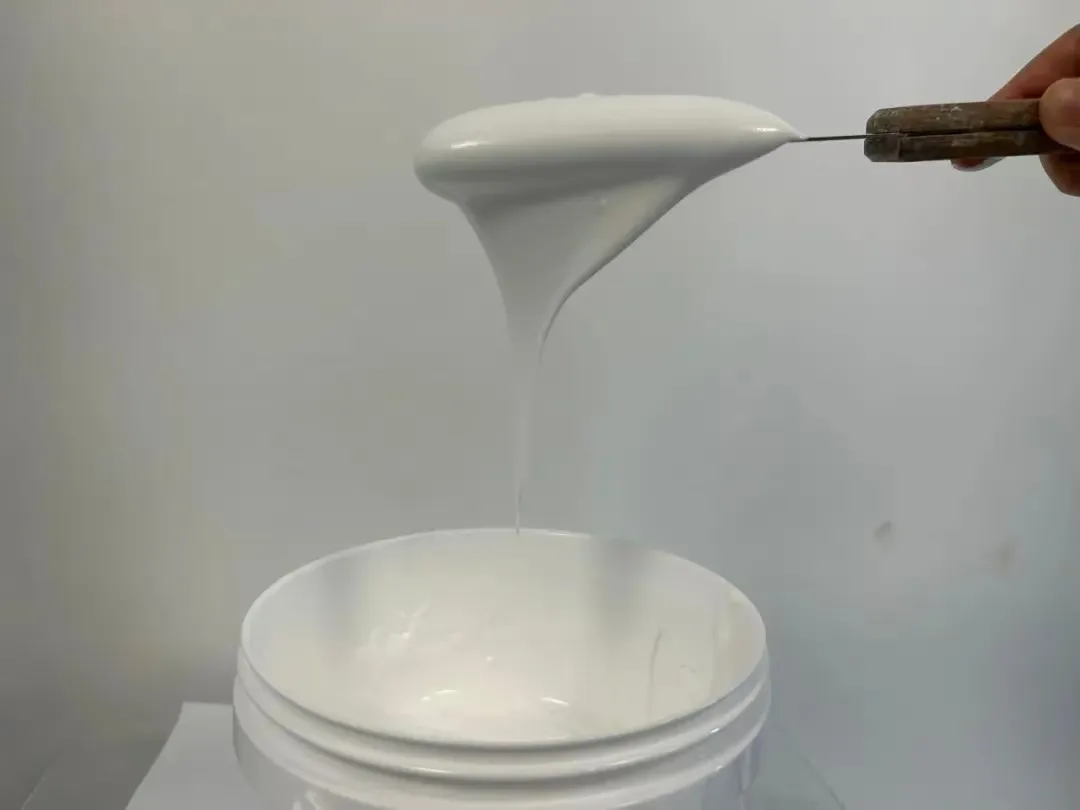
( Aerogel Coatings)
To get rid of these limitations, developments in ambient stress drying out (APD) have made it possible for the production of robust aerogel coverings without requiring high-pressure equipment.
This is achieved through surface area adjustment of the silica network using silylating representatives (e.g., trimethylchlorosilane), which change surface area hydroxyl groups with hydrophobic moieties, reducing capillary pressures throughout dissipation.
The resulting layers maintain porosities surpassing 90% and densities as reduced as 0.1– 0.3 g/cm ³, preserving their insulative efficiency while enabling scalable production.
2. Thermal and Mechanical Performance Characteristics
2.1 Phenomenal Thermal Insulation and Warmth Transfer Reductions
The most popular building of aerogel finishes is their ultra-low thermal conductivity, commonly varying from 0.012 to 0.020 W/m · K at ambient conditions– comparable to still air and substantially lower than conventional insulation products like polyurethane (0.025– 0.030 W/m · K )or mineral woollen (0.035– 0.040 W/m · K).
This performance comes from the set of three of warmth transfer suppression devices intrinsic in the nanostructure: very little strong transmission as a result of the sporadic network of silica tendons, negligible aeriform transmission due to Knudsen diffusion in sub-100 nm pores, and minimized radiative transfer via doping or pigment enhancement.
In functional applications, even thin layers (1– 5 mm) of aerogel covering can accomplish thermal resistance (R-value) equal to much thicker traditional insulation, making it possible for space-constrained styles in aerospace, building envelopes, and mobile tools.
Furthermore, aerogel finishings exhibit steady performance throughout a wide temperature level array, from cryogenic conditions (-200 ° C )to modest high temperatures (as much as 600 ° C for pure silica systems), making them suitable for extreme settings.
Their reduced emissivity and solar reflectance can be additionally boosted through the incorporation of infrared-reflective pigments or multilayer styles, enhancing radiative shielding in solar-exposed applications.
2.2 Mechanical Durability and Substratum Compatibility
Regardless of their severe porosity, modern-day aerogel finishings display surprising mechanical toughness, specifically when reinforced with polymer binders or nanofibers.
Hybrid organic-inorganic formulas, such as those incorporating silica aerogels with polymers, epoxies, or polysiloxanes, improve versatility, adhesion, and influence resistance, permitting the finishing to stand up to vibration, thermal biking, and small abrasion.
These hybrid systems maintain great insulation efficiency while achieving elongation at break worths approximately 5– 10%, protecting against splitting under stress.
Bond to diverse substrates– steel, light weight aluminum, concrete, glass, and versatile aluminum foils– is attained via surface area priming, chemical coupling agents, or in-situ bonding throughout healing.
Additionally, aerogel finishings can be engineered to be hydrophobic or superhydrophobic, repelling water and preventing dampness ingress that might degrade insulation performance or advertise deterioration.
This mix of mechanical longevity and environmental resistance improves longevity in outdoor, marine, and industrial setups.
3. Functional Convenience and Multifunctional Integration
3.1 Acoustic Damping and Audio Insulation Capabilities
Beyond thermal management, aerogel finishes show considerable potential in acoustic insulation due to their open-pore nanostructure, which dissipates sound energy through thick losses and inner rubbing.
The tortuous nanopore network hampers the proliferation of sound waves, especially in the mid-to-high regularity variety, making aerogel coverings reliable in minimizing noise in aerospace cabins, automotive panels, and structure wall surfaces.
When integrated with viscoelastic layers or micro-perforated facings, aerogel-based systems can achieve broadband sound absorption with marginal added weight– a crucial benefit in weight-sensitive applications.
This multifunctionality allows the design of integrated thermal-acoustic barriers, reducing the requirement for several separate layers in complicated settings up.
3.2 Fire Resistance and Smoke Suppression Characteristic
Aerogel finishings are inherently non-combustible, as silica-based systems do not contribute gas to a fire and can withstand temperatures well over the ignition points of usual construction and insulation products.
When applied to flammable substratums such as timber, polymers, or textiles, aerogel finishings serve as a thermal barrier, delaying heat transfer and pyrolysis, consequently boosting fire resistance and enhancing getaway time.
Some solutions integrate intumescent additives or flame-retardant dopants (e.g., phosphorus or boron compounds) that expand upon heating, forming a protective char layer that additionally insulates the underlying material.
Additionally, unlike several polymer-based insulations, aerogel finishes create marginal smoke and no harmful volatiles when revealed to high warmth, improving safety and security in encased settings such as passages, ships, and high-rise buildings.
4. Industrial and Emerging Applications Across Sectors
4.1 Power Performance in Structure and Industrial Equipment
Aerogel coverings are changing easy thermal monitoring in architecture and framework.
Applied to windows, walls, and roofings, they decrease heating and cooling loads by minimizing conductive and radiative warm exchange, contributing to net-zero power building designs.
Clear aerogel coverings, specifically, allow daytime transmission while blocking thermal gain, making them optimal for skylights and drape wall surfaces.
In industrial piping and tank, aerogel-coated insulation minimizes energy loss in vapor, cryogenic, and process liquid systems, improving operational effectiveness and minimizing carbon emissions.
Their slim profile enables retrofitting in space-limited areas where standard cladding can not be installed.
4.2 Aerospace, Defense, and Wearable Technology Integration
In aerospace, aerogel finishings shield delicate components from severe temperature level changes throughout atmospheric re-entry or deep-space goals.
They are utilized in thermal protection systems (TPS), satellite housings, and astronaut suit linings, where weight cost savings directly convert to lowered launch expenses.
In protection applications, aerogel-coated textiles supply lightweight thermal insulation for workers and devices in frozen or desert atmospheres.
Wearable modern technology gain from flexible aerogel composites that preserve body temperature level in clever garments, outside equipment, and clinical thermal regulation systems.
Furthermore, study is exploring aerogel coatings with ingrained sensors or phase-change products (PCMs) for flexible, responsive insulation that adjusts to environmental conditions.
To conclude, aerogel finishings exemplify the power of nanoscale design to solve macro-scale challenges in power, safety, and sustainability.
By integrating ultra-low thermal conductivity with mechanical versatility and multifunctional capabilities, they are redefining the limits of surface area design.
As production prices decrease and application techniques come to be extra effective, aerogel layers are positioned to become a typical product in next-generation insulation, safety systems, and intelligent surfaces throughout industries.
5. Supplie
Cabr-Concrete is a supplier of Concrete Admixture with over 12 years of experience in nano-building energy conservation and nanotechnology development. It accepts payment via Credit Card, T/T, West Union and Paypal. TRUNNANO will ship the goods to customers overseas through FedEx, DHL, by air, or by sea. If you are looking for high quality Concrete Admixture, please feel free to contact us and send an inquiry.
Tags:Aerogel Coatings, Silica Aerogel Thermal Insulation Coating, thermal insulation coating
All articles and pictures are from the Internet. If there are any copyright issues, please contact us in time to delete.
Inquiry us