1. Chemical Structure and Molecular System
1.1 Synthesis and Molecular Style
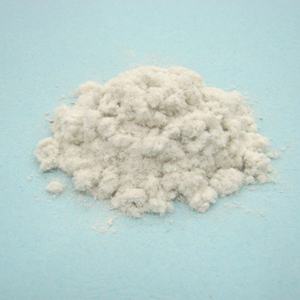
(Naphthalene Sulfonate Superplasticizer)

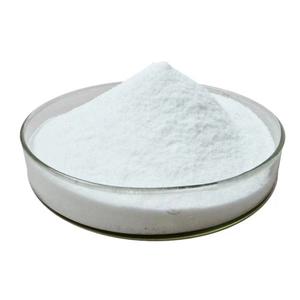
Naphthalene sulfonate formaldehyde condensate (NSF), frequently referred to as naphthalene sulfonate superplasticizer, is a synthetic water-reducing admixture commonly made use of in high-performance concrete to boost flowability without compromising architectural integrity.
It is generated via a multi-step chemical process involving the sulfonation of naphthalene with focused sulfuric acid to create naphthalene sulfonic acid, complied with by formaldehyde condensation under regulated temperature level and pH conditions to produce a polymer with repeating fragrant devices linked by methylene bridges.
The resulting particle includes a hydrophobic naphthalene backbone and several hydrophilic sulfonate (-SO TWO ⁻) teams, developing a comb-like polyelectrolyte framework that makes it possible for solid communication with cement fragments in liquid atmospheres.
This amphiphilic design is main to its distributing feature, enabling the polymer to adsorb onto the surface area of cement hydrates and give electrostatic repulsion in between bits.
The level of sulfonation and polymerization can be readjusted throughout synthesis to customize the molecular weight and charge density, directly influencing dispersion effectiveness and compatibility with various concrete kinds.
1.2 Diffusion Device in Cementitious Equipments
When contributed to fresh concrete, NSF functions primarily through electrostatic repulsion, a device distinctive from steric limitation utilized by more recent polycarboxylate-based superplasticizers.
Upon blending, the hydrophobic naphthalene rings adsorb onto the favorably charged sites of tricalcium silicate (C FIVE S) and other cement phases, while the adversely charged sulfonate groups prolong into the pore option, creating a strong unfavorable surface area possibility.
This produces an electric dual layer around each cement fragment, causing them to drive away one another and combating the natural propensity of fine fragments to flocculate as a result of van der Waals forces.
Consequently, the entrapped water within flocs is released, enhancing the fluidity of the mix and allowing considerable reductions in water content– generally 15– 25%– while keeping workability.
This improved dispersion causes an extra uniform microstructure, minimized porosity, and improved mechanical strength growth in time.
Nonetheless, the performance of NSF reduces with long term blending or high temperatures due to desorption and downturn loss, a constraint that influences its application in long-haul transport or hot environments.
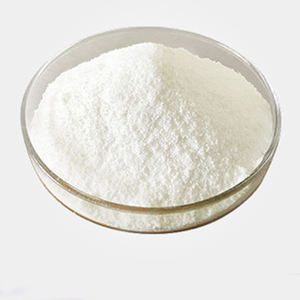
( Naphthalene Sulfonate Superplasticizer)
2. Performance Characteristics and Engineering Perks
2.1 Workability and Circulation Enhancement
Among the most immediate benefits of naphthalene sulfonate superplasticizer is its capacity to dramatically raise the downturn of concrete, making it very flowable and very easy to location, pump, and combine, especially in largely strengthened structures.
This improved workability enables the construction of complex architectural forms and reduces the requirement for mechanical resonance, decreasing labor costs and the risk of honeycombing or voids.
NSF is particularly reliable in creating self-consolidating concrete (SCC) when used in mix with viscosity-modifying representatives and various other admixtures, making certain full mold filling without partition.
The degree of fluidness gain depends upon dose, commonly ranging from 0.5% to 2.0% by weight of concrete, past which diminishing returns and even retardation may take place.
Unlike some organic plasticizers, NSF does not introduce extreme air entrainment, maintaining the thickness and durability of the end product.
2.2 Strength and Sturdiness Improvements
By enabling reduced water-to-cement (w/c) ratios, NSF plays a critical function in enhancing both early and long-lasting compressive and flexural toughness of concrete.
A reduced w/c ratio decreases capillary porosity, causing a denser, much less absorptive matrix that resists the access of chlorides, sulfates, and dampness– vital factors in protecting against reinforcement rust and sulfate strike.
This better impermeability expands service life in aggressive settings such as marine structures, bridges, and wastewater treatment facilities.
In addition, the consistent dispersion of concrete fragments promotes even more complete hydration, increasing strength gain and minimizing shrinkage splitting risks.
Researches have shown that concrete incorporating NSF can attain 20– 40% greater compressive stamina at 28 days compared to manage blends, relying on mix design and treating problems.
3. Compatibility and Application Factors To Consider
3.1 Communication with Cement and Supplementary Products
The efficiency of naphthalene sulfonate superplasticizer can differ considerably depending upon the make-up of the cement, particularly the C SIX A (tricalcium aluminate) content and antacid degrees.
Concretes with high C ₃ A tend to adsorb more NSF as a result of stronger electrostatic communications, possibly needing greater dosages to accomplish the desired fluidity.
In a similar way, the existence of supplemental cementitious materials (SCMs) such as fly ash, slag, or silica fume affects adsorption kinetics and rheological behavior; for instance, fly ash can contend for adsorption websites, changing the effective dosage.
Blending NSF with various other admixtures like retarders, accelerators, or air-entraining agents needs mindful compatibility testing to prevent damaging interactions such as quick slump loss or flash collection.
Batching sequence– whether NSF is added in the past, during, or after mixing– likewise influences diffusion effectiveness and have to be standard in large procedures.
3.2 Environmental and Handling Variables
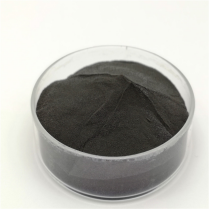
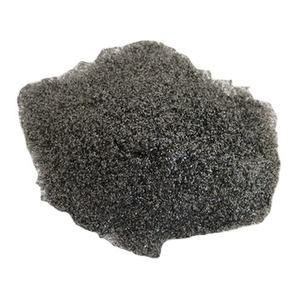
NSF is offered in liquid and powder forms, with liquid formulations supplying less complicated dosing and faster dissolution in mixing water.
While normally stable under typical storage conditions, prolonged exposure to freezing temperature levels can cause rainfall, and high warm may degrade the polymer chains over time.
From an environmental viewpoint, NSF is taken into consideration low toxicity and non-corrosive, though correct handling practices need to be followed to avoid breathing of powder or skin irritability.
Its manufacturing involves petrochemical derivatives and formaldehyde, increasing sustainability issues that have actually driven research right into bio-based options and greener synthesis paths.
4. Industrial Applications and Future Overview
4.1 Use in Precast, Ready-Mix, and High-Strength Concrete
Naphthalene sulfonate superplasticizer is thoroughly utilized in precast concrete manufacturing, where specific control over setting time, surface finish, and dimensional accuracy is vital.
In ready-mixed concrete, it allows long-distance transportation without sacrificing workability upon arrival at building and construction sites.
It is also a vital component in high-strength concrete (HSC) and ultra-high-performance concrete (UHPC), where incredibly reduced w/c ratios are called for to achieve compressive strengths exceeding 100 MPa.
Tunnel linings, high-rise buildings, and prestressed concrete elements benefit from the enhanced sturdiness and architectural efficiency offered by NSF-modified mixes.
4.2 Patterns and Obstacles in Admixture Modern Technology
In spite of the development of more advanced polycarboxylate ether (PCE) superplasticizers with remarkable downturn retention and lower dosage needs, NSF remains commonly made use of as a result of its cost-effectiveness and tested efficiency.
Ongoing research study concentrates on crossbreed systems combining NSF with PCEs or nanomaterials to maximize rheology and toughness growth.
Efforts to improve biodegradability, minimize formaldehyde exhausts throughout manufacturing, and boost compatibility with low-carbon cements mirror the industry’s change toward sustainable building and construction products.
Finally, naphthalene sulfonate superplasticizer represents a keystone technology in contemporary concrete design, bridging the gap in between conventional techniques and advanced material efficiency.
Its capability to change concrete into a very workable yet sturdy composite remains to support global infrastructure advancement, even as next-generation admixtures progress.
5. Supplier
Cabr-Concrete is a supplier of Concrete Admixture with over 12 years of experience in nano-building energy conservation and nanotechnology development. It accepts payment via Credit Card, T/T, West Union and Paypal. TRUNNANO will ship the goods to customers overseas through FedEx, DHL, by air, or by sea. If you are looking for high quality Concrete Admixture, please feel free to contact us and send an inquiry.
Tags: sodium naphthalene,polycarboxylate ether, Naphthalene Sulfonate Superplasticizer
All articles and pictures are from the Internet. If there are any copyright issues, please contact us in time to delete.
Inquiry us